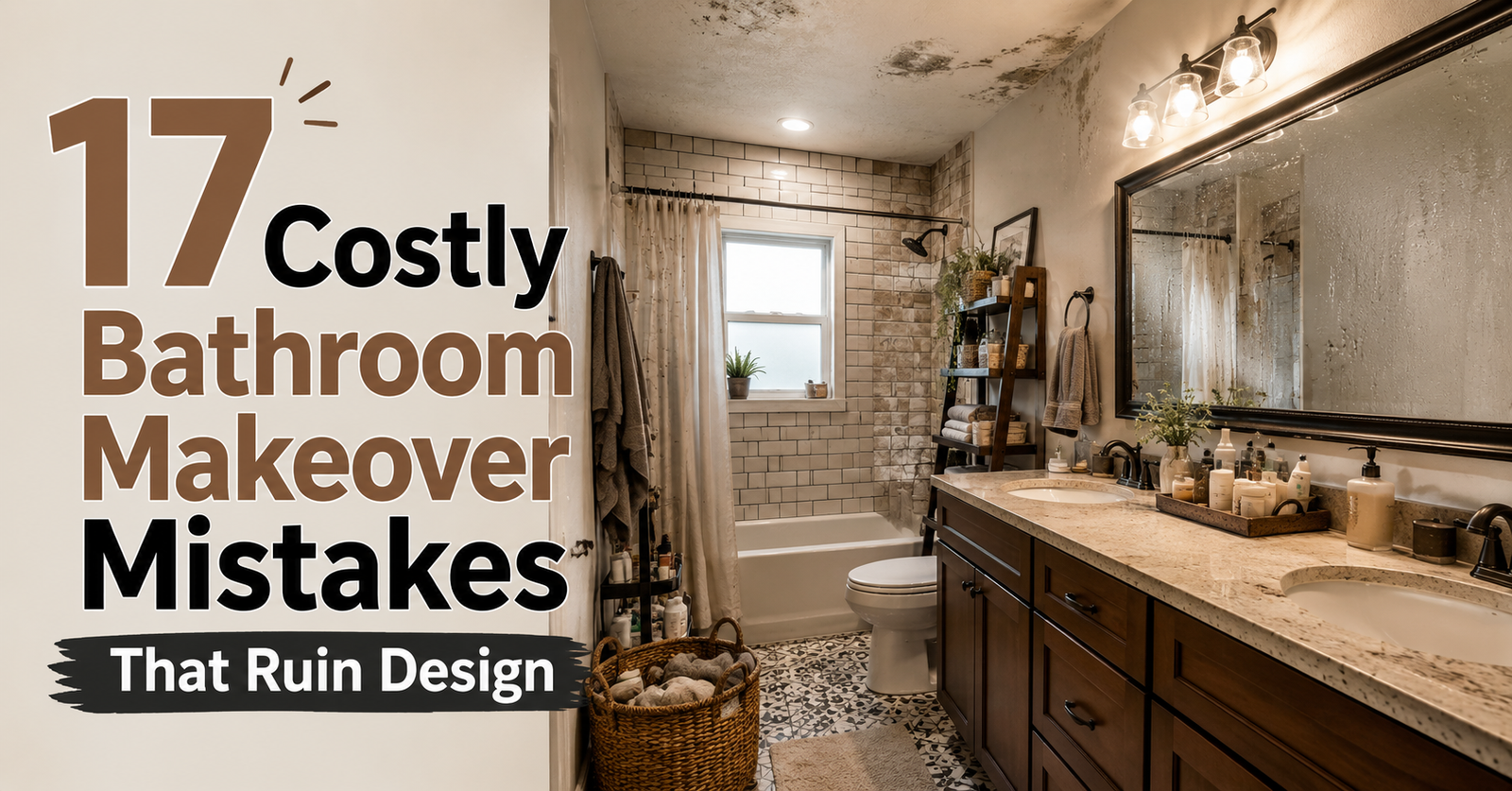
Most bathroom money is wasted on work you cannot see until it fails: a vanity that blocks a door, a fan that vents into the attic, or tile set over a membrane that was never continuous. This list is about those expensive mistakes, not mood boards.
Costs below are typical U.S. retail plus a rough Pakistan conversion at ~280 PKR per USD. Keep plumbing, toilet, and tub where they are unless the layout is genuinely unusable. Moving wet services is usually the line between a refresh and a rebuild.
1. Starting Without a Clear Plan or Budget
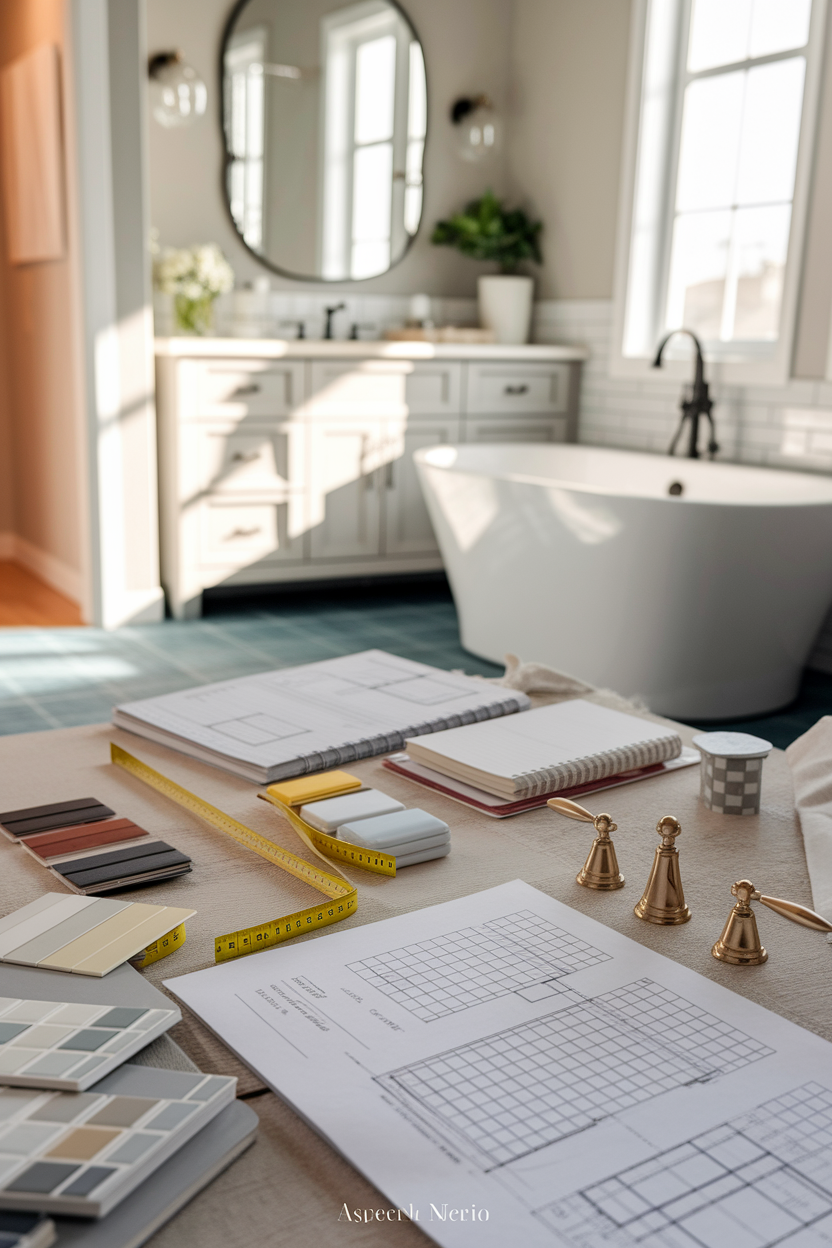
A bathroom plan is a measured drawing, a fixture list, and a number that includes 15–20% contingency. A cosmetic refresh (paint, hardware, lighting, some tile) often lands at $1,500–$4,000 (~PKR 420,000–1.12 million). A mid-range gut with the same plumbing locations is $8,000–$18,000 (~PKR 2.2–5.0 million). A layout change with new drain lines is $20,000–$40,000+ (~PKR 5.6–11.2 million). Time: 2–3 evenings of measuring and quotes before anyone demolishes.
DIY the shopping list and sample board. Hire a contractor once you have a written scope. Common mistake: spending the full budget on tile, then discovering rotten subfloor. Spec: write three columns — keep, replace, maybe — and freeze the “maybe” list until contingency is still intact at the halfway point.
2. Ignoring Accurate Measurements and Layout
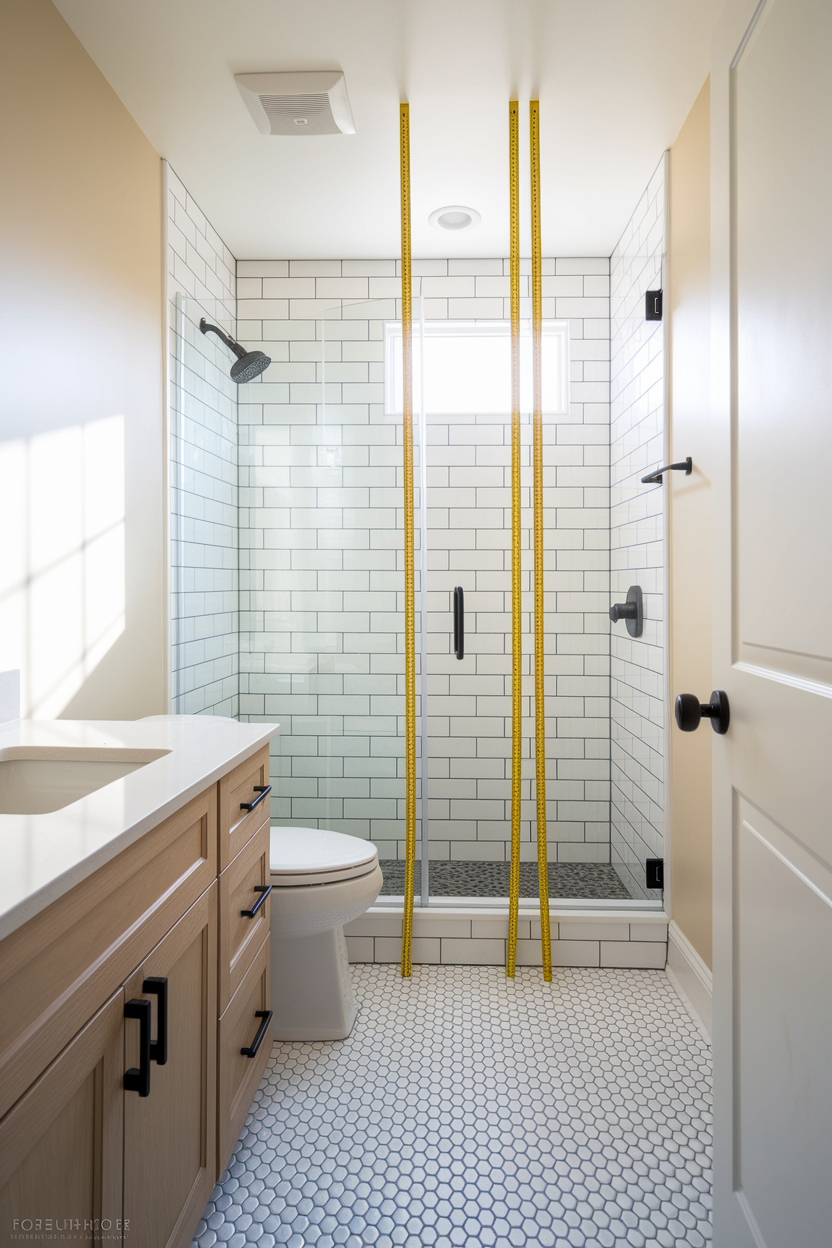
Clearances are code and comfort, not style. A toilet needs about 15 in (38 cm) from centerline to any side obstruction and 21 in (53 cm) of clear space in front. Vanity drawers need the door swing plus 24–30 in (61–76 cm) of walkway. Measuring twice takes 45 minutes; returning a 60-in vanity that will not pass a hallway costs a restocking fee plus a week of delay.
DIY with a tape, laser, and painter’s tape on the floor. Hire a designer only if the room is under 5×8 ft and you want a custom vanity. Common mistake: ordering from photos without recording door swing, window sill height, and the toilet’s rough-in (usually 12 in / 30 cm from finished wall). Spec: the vanity top should sit 32–36 in (81–91 cm) above the finished floor; confirm faucet hole spacing (4 in centerset vs 8 in widespread) before the stone is cut.
3. Choosing Style Over Everyday Function
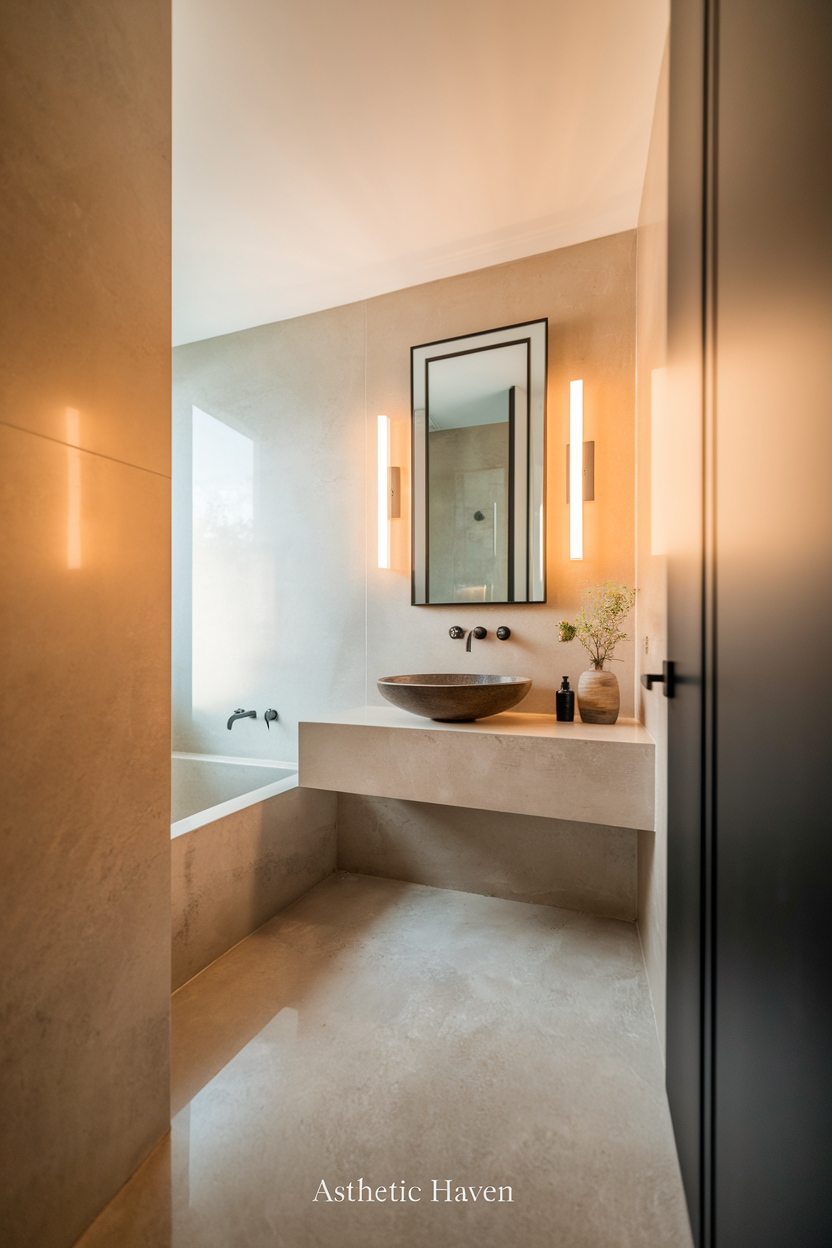
A vessel sink, polished marble floor, or frameless glass that has no wipe-down plan looks good in a listing photo and fails in a family bathroom. Function upgrades that actually pay off: a 36-in vanity instead of a pedestal ($200–$800 / ~PKR 56,000–224,000), a hand shower on a slide bar ($40–$150 / ~PKR 11,000–42,000), and a floor tile with a wet-area DCOF of 0.42 or higher. Time: one afternoon of listing who uses the room and what currently annoys them.
DIY the priority list. Hire a pro for accessibility work (grab bars into studs, a 36-in door, a curbless shower). Common mistake: a 12-in-deep sink that splashes because the faucet spout is too short. Spec: spout reach should land near the center of the basin, typically 4.5–6.5 in (11–17 cm) from the back deck to the aerator.
4. Relying on One Harsh Light Source
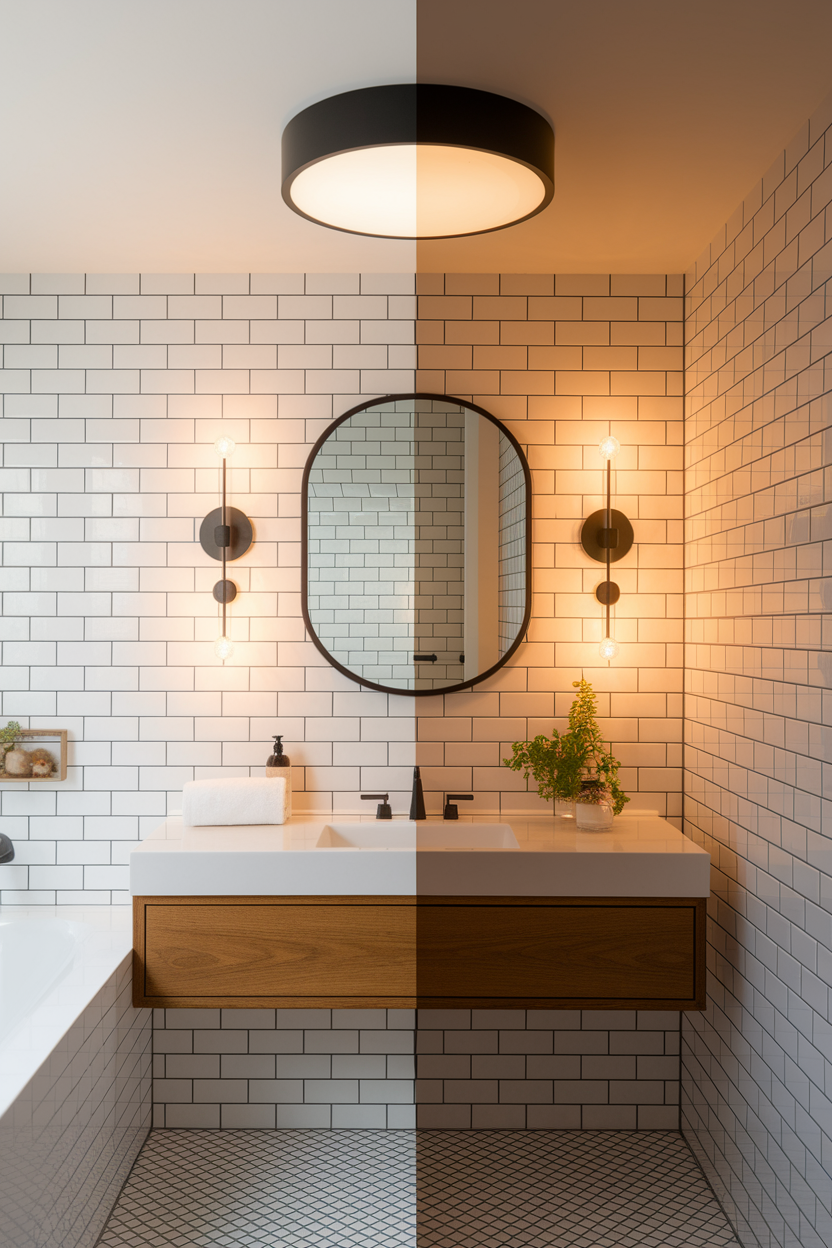
One ceiling globe casts shadows under the eyes and leaves the shower dark. You need ambient light plus vertical light at the mirror. A two- or three-light vanity bar is $40–$180 (~PKR 11,000–50,000). Two sconces flanking the mirror are $80–$250 (~PKR 22,000–70,000) plus an electrician if you have no boxes ($150–$400 / ~PKR 42,000–112,000). A dimmer adds $15–$40. Time: 1–3 hours for a like-for-like fixture swap; a day if new wiring is required.
DIY a fixture swap on an existing box if you are comfortable with a voltage tester. Hire an electrician for new circuits, GFCI, or anything within the wet zone. Common mistake: a single 5000K LED that makes skin and tile look blue. Spec: 2700–3000K, CRI 90+, and about 50–80 lumens per square foot in a small bathroom; mount sconce centers roughly at eye height, 60–66 in (152–168 cm) from the floor.
5. Forgetting Proper Bathroom Ventilation
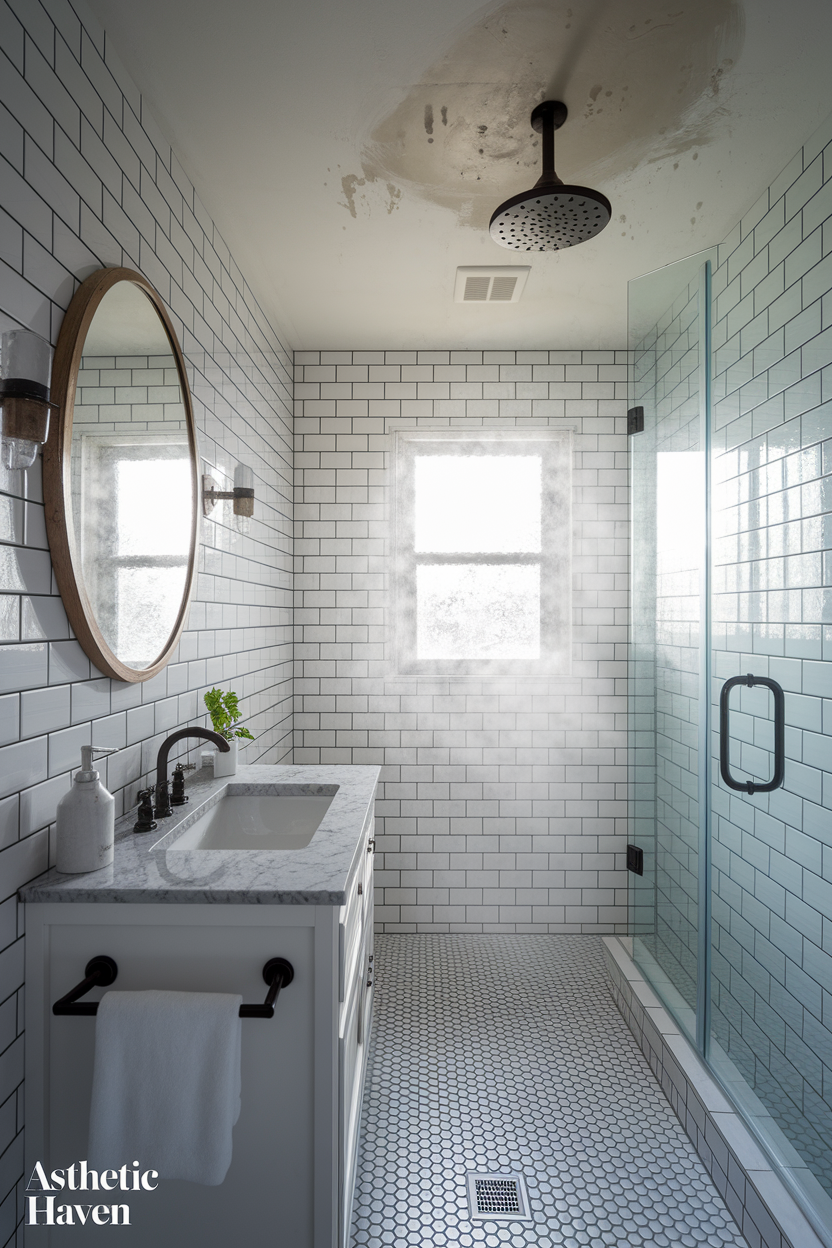
Steam that has nowhere to go ruins paint, grout, and cabinets. A window is not a fan. A correctly sized exhaust unit is $40–$180 (~PKR 11,000–50,000); a humidity-sensing model is $80–$250. Professional install with a roof or wall cap is $200–$600 (~PKR 56,000–168,000) if ducting already exists, more if you are cutting a new path. Time: 2–4 hours for a swap; a half day for new duct.
DIY a like-for-like fan swap. Hire an HVAC or electrician if the old unit dumps into the attic — that is a moisture bomb, not ventilation. Common mistake: a 50 CFM fan in a 50 sq ft room that never runs after the shower. Spec: at least 1 CFM per square foot (a 5×8 ft / 40 sq ft bath needs 80 CFM if you want a margin), ducted outdoors, run 20 minutes after showers via a timer.
6. Using Materials That Cannot Handle Water
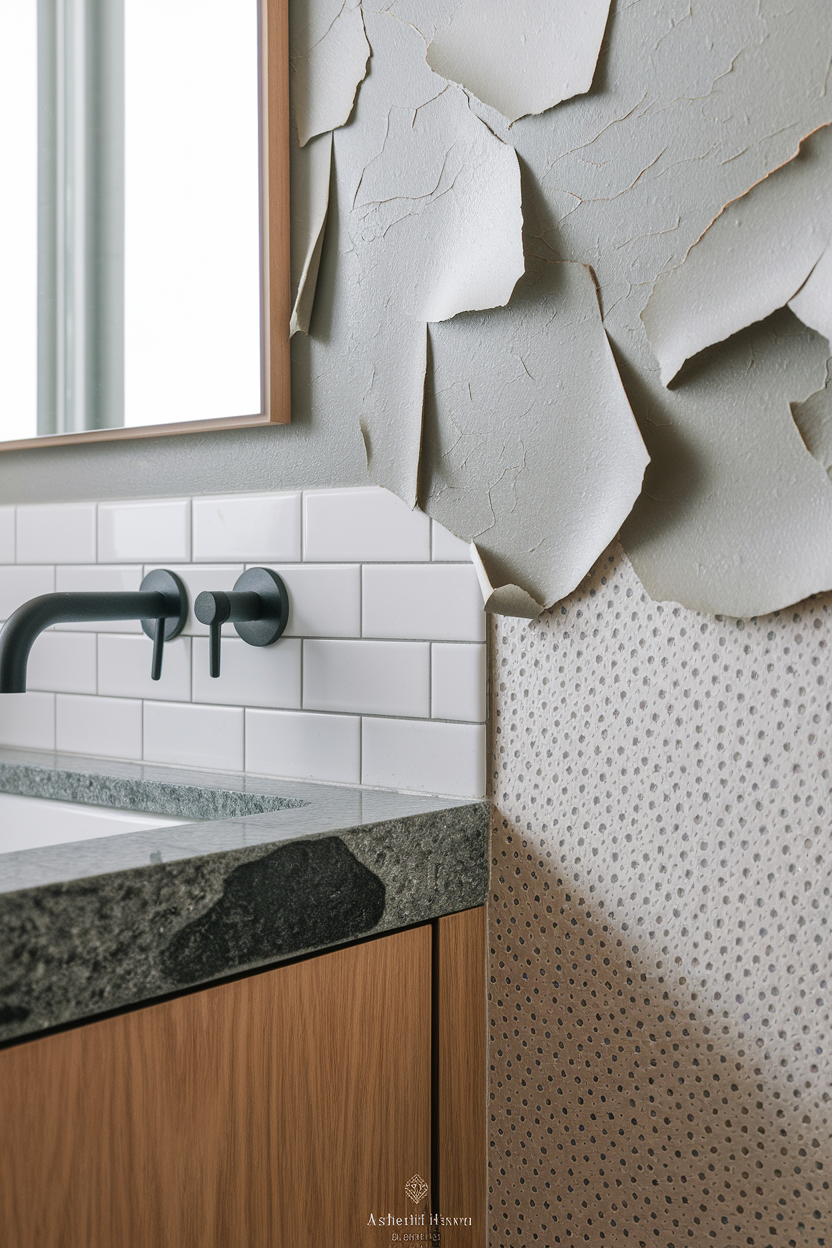
Paper-faced drywall, MDF baseboards, unsealed limestone, and flat wall paint fail in wet zones. Porcelain wall tile is $2–$8/sq ft (~PKR 560–2,240) plus install. Bathroom-rated satin or semi-gloss paint is $30–$55/gallon (~PKR 8,400–15,400). Luxury vinyl plank rated for wet rooms is $2–$6/sq ft. Time: a weekend for paint; 2–4 days for a small tile job.
DIY paint and vinyl if the substrate is sound. Hire a tiler for showers. Common mistake: “peel-and-stick wallpaper” in the shower splash zone. Spec: use cement board or a foam backer in wet areas, not greenboard alone; if you want stone, budget sealer every 6–12 months and a honed finish that hides etching better than polished.
7. Adding Too Little Useful Storage
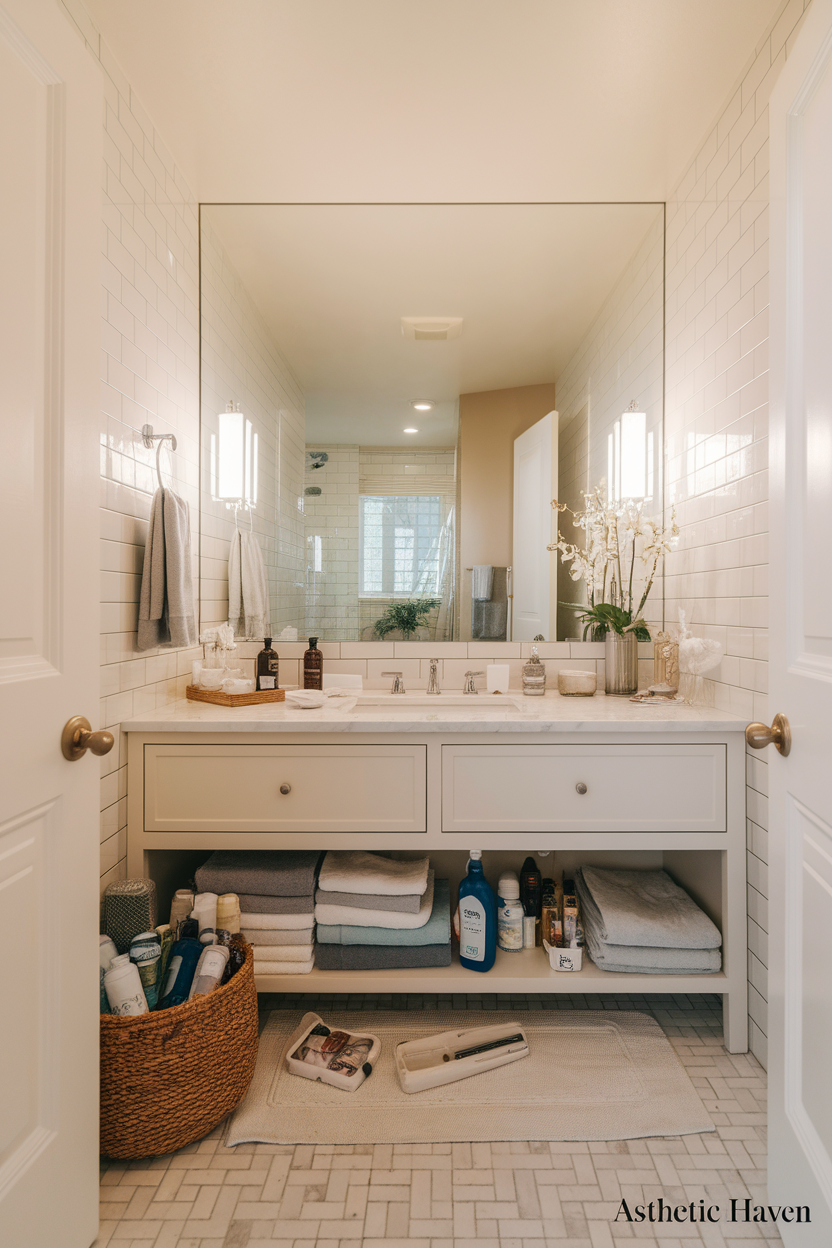
A pretty vanity with one false drawer leaves bottles on the counter, which makes a small room look smaller. A 30–36 in vanity with real drawers is $250–$900 (~PKR 70,000–252,000). A recessed medicine cabinet is $80–$300. A shower niche built during tile work is $80–$250 in extra labor if the wall is already open. Time: plan storage on the same drawing as the fixtures, not after the tile is grouted.
DIY over-toilet shelves and drawer organizers ($20–$60). Hire a carpenter for a recessed cabinet that hits studs and plumbing. Common mistake: open glass shelves that display clutter. Spec: at least one 20-in-wide stack of drawers; niche floor should slope slightly to the shower and sit 12–16 in above the shower floor so bottles do not sit in standing water.
8. Treating Waterproofing as an Optional Step
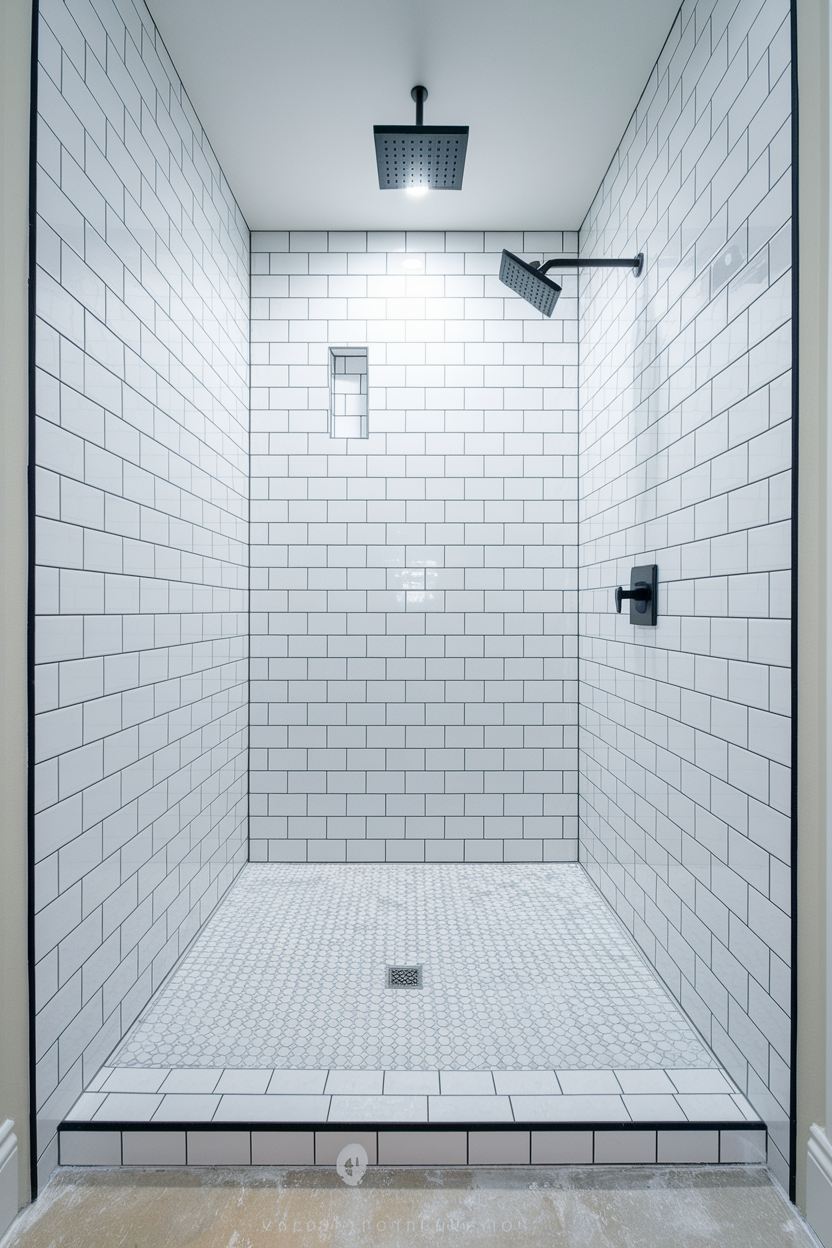
Tile is not waterproof. The membrane, corners, and drain connection are. A liquid or sheet membrane kit for a small shower is $80–$250 (~PKR 22,000–70,000) in materials. A failed shower rebuild after leaks is $3,000–$10,000 (~PKR 840,000–2.8 million) once you add mold, subfloor, and neighbor-ceiling repairs. Time: 1–2 extra days on a shower schedule, plus manufacturer dry times that you cannot rush.
Do not DIY a pan if you have never flooded-tested one. Hire a tiler who will flood-test before tile. Common mistake: grout as the water barrier, or a pan that slopes away from the drain. Spec: shower floor slope of 1/4 in per foot (2%) toward the drain; photograph the membrane, corners, and clamping ring before anything is covered.
9. Moving Plumbing and Electrical Points Without Care
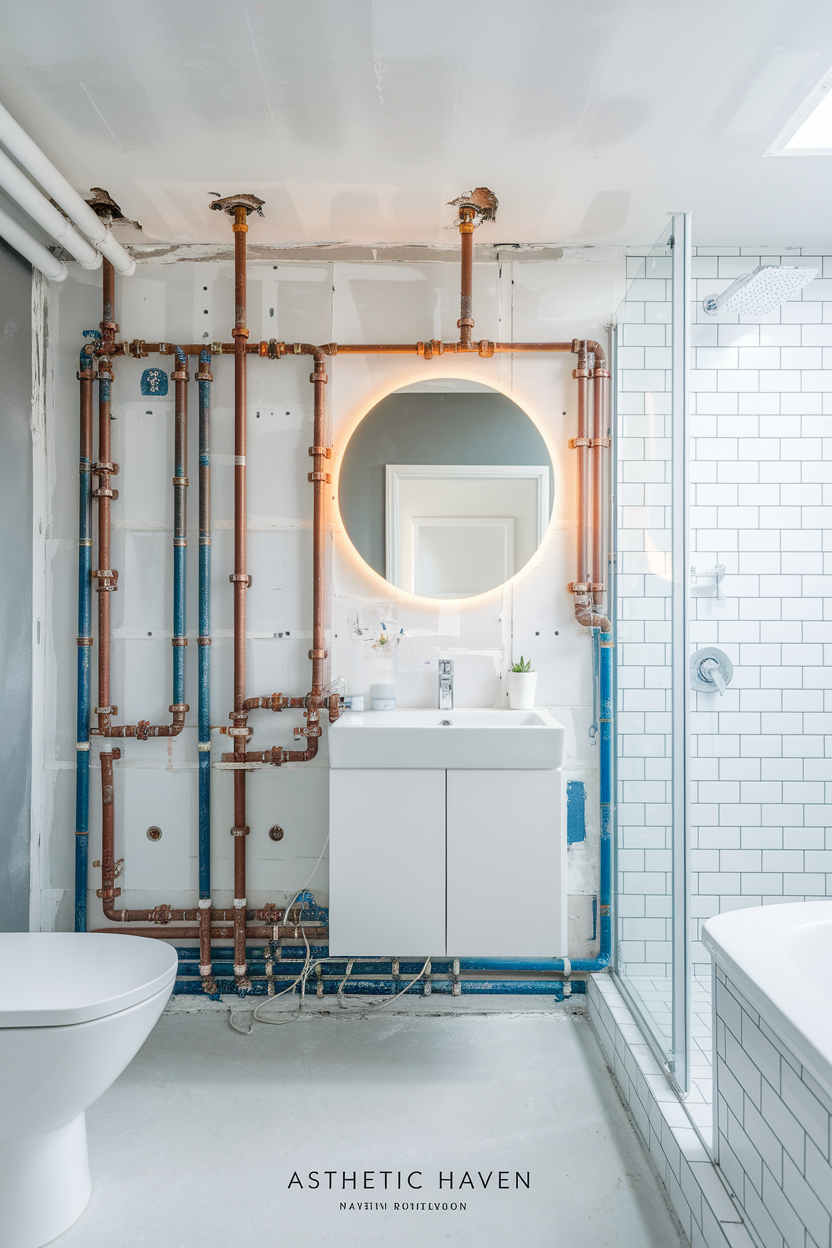
Keeping the toilet and shower valve on the existing stacks can save $1,500–$6,000 (~PKR 420,000–1.68 million) versus relocating a drain through a slab or joists. Moving a vanity supply a few inches is often cheap; moving a toilet 12 in is not. New GFCI outlets and a dedicated lighting circuit are $150–$500 in labor if the panel is close. Time: get plumber and electrician walkthroughs before you order tile.
Hire licensed trades for any pipe or wire move. DIY only fixture swaps on existing stops. Common mistake: a “better” layout drawn on Pinterest that ignores the 3-in toilet drain and vent. Spec: keep the toilet rough-in unless you have opened the floor and confirmed a new path; outlets in bathrooms need GFCI protection and must follow local distance-from-water rules.
10. Crowding the Room With Too Many Features
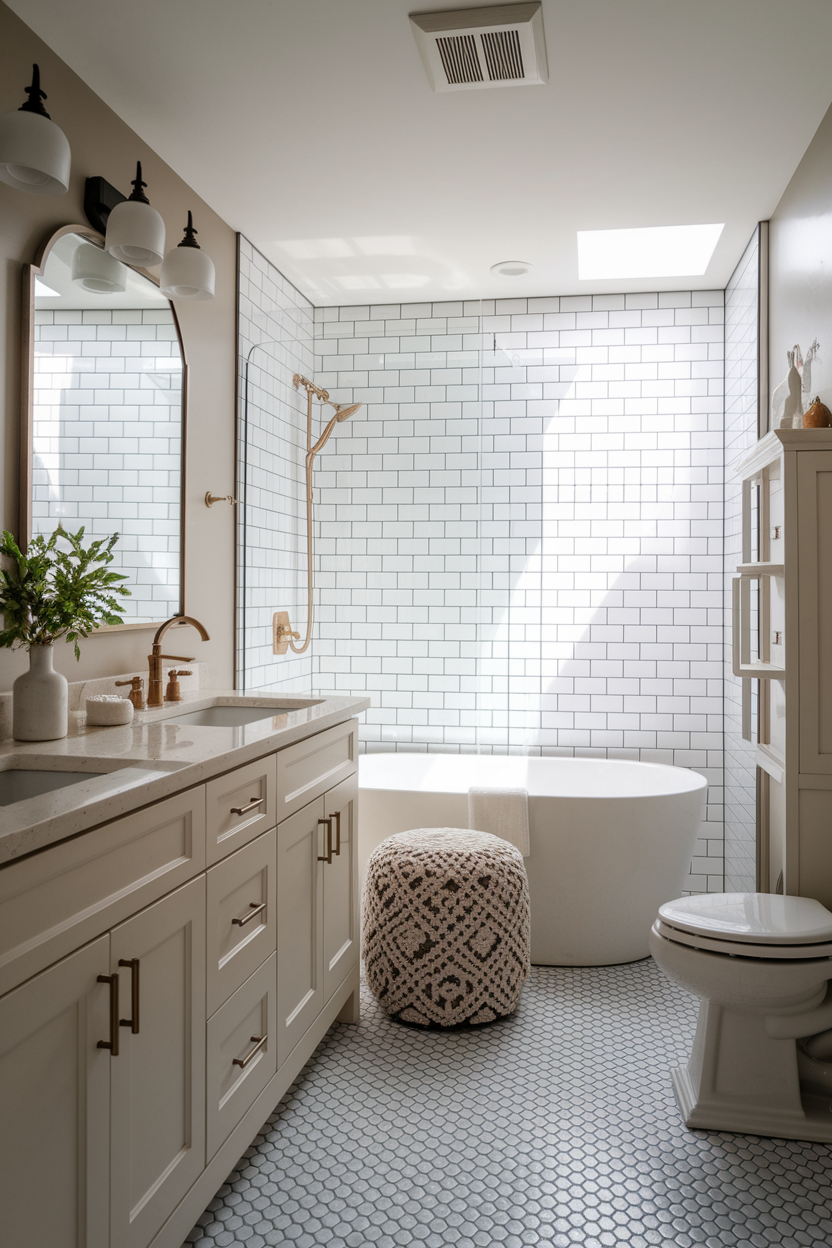
A 5×8 ft bath cannot honestly hold a freestanding tub, double vanity, and a 36-in shower. A used soaking tub in a tiny room is $400–$1,200 of fixture plus $1,000+ of space you will walk around sideways. A 32–36 in shower with a quality door usually beats a 54-in tub nobody soaks in. Time: one hour with tape on the floor before you buy anything over 24 in wide.
DIY the edit. Hire a designer if you are arguing between a tub and a shower in a family home — that is a use decision, not a finish decision. Common mistake: a 60-in tub in a room that then has an 28-in shower stall. Spec: leave 30 in (76 cm) of clear walkway at the vanity; if you cannot, drop a fixture instead of shrinking all of them.
11. Mixing Too Many Colors, Tiles, and Finishes
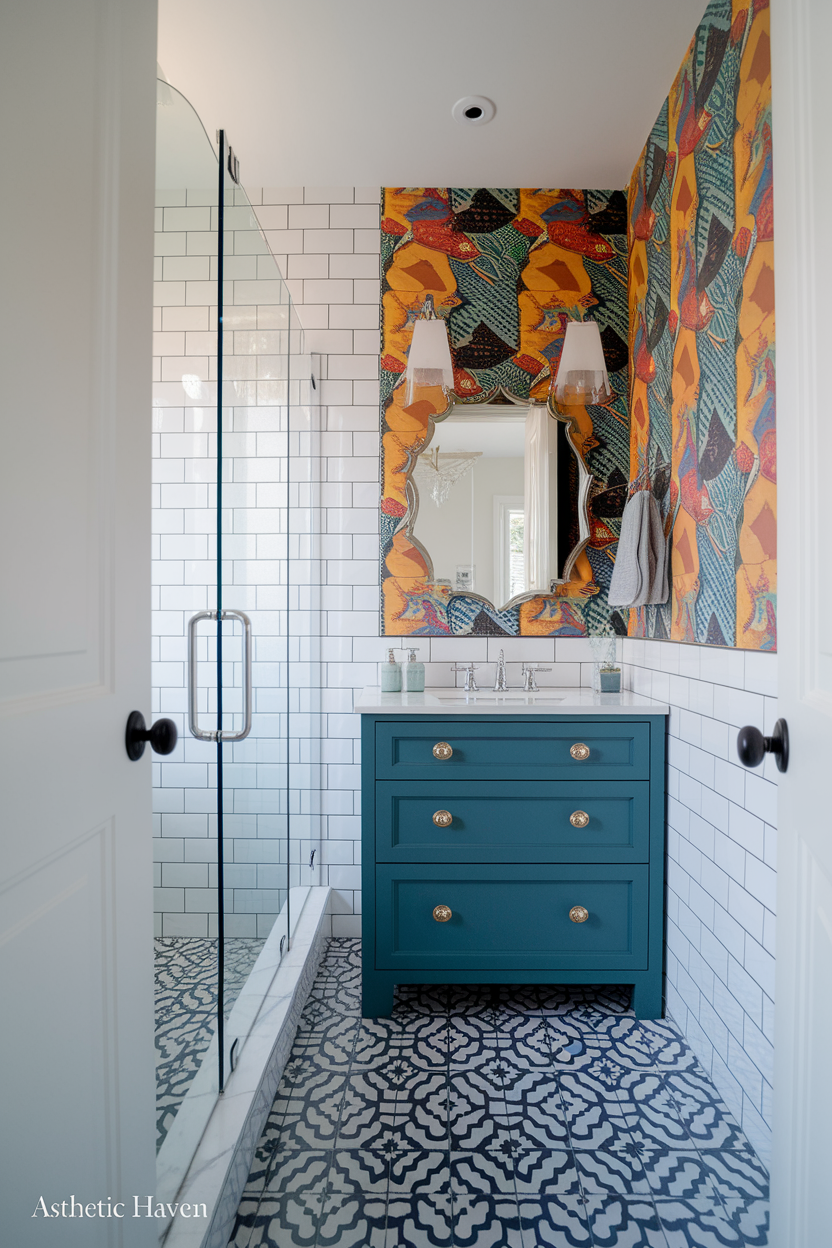
One patterned tile, one quiet field tile, and one metal finish is a palette. Five is a showroom dump. Extra tile SKUs add waste and leftover boxes you cannot return ($50–$200 of unused material is common). Time: 30 minutes laying samples on the actual floor under the actual bulbs.
DIY the palette. Hire no one for this. Common mistake: hex floor + herringbone shower + marble-look vanity + brass + matte black + chrome. Spec: pick two metals maximum, and repeat each at least twice (faucet + towel bar, or faucet + shower trim). Grout color should be within two shades of the tile, not bright white in a high-splash shower unless you like weekly scrubbing.
12. Choosing Fixtures That Are the Wrong Scale
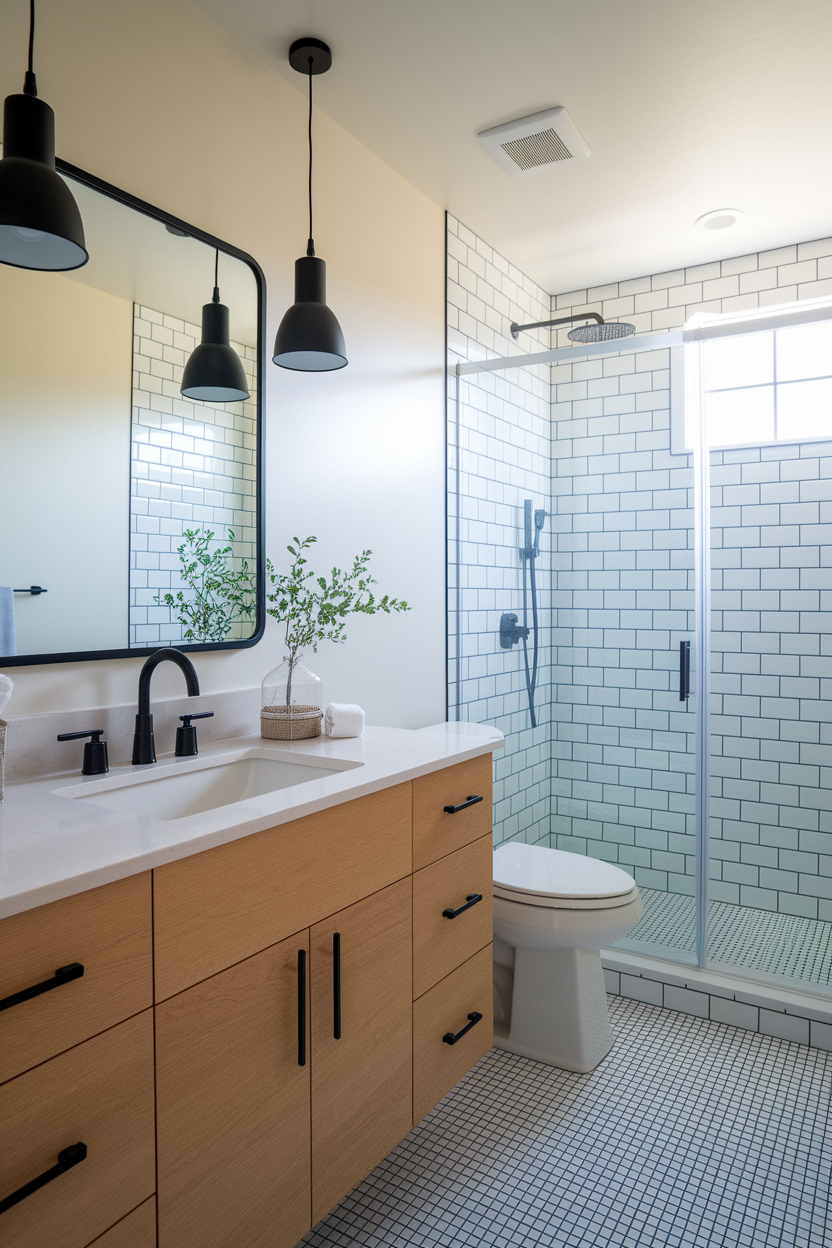
A 72-in mirror over a 24-in sink looks accidental. A 4-in mini faucet on a 20-in trough looks cheap. Fixture scale mistakes are rarely refundable once holes are drilled. Time: 20 minutes with a paper template taped to the wall.
DIY templates. Hire a fitter for stone cutouts. Common mistake: buying a chandelier-scale pendant that hangs into the sightline and the door. Spec: mirror width about 70–100% of the vanity width; showerhead 72–80 in (183–203 cm) from the floor unless users are taller; leave 15 in from toilet centerline to the nearest vanity edge.
13. Selecting Grout and Surfaces That Are Hard to Maintain
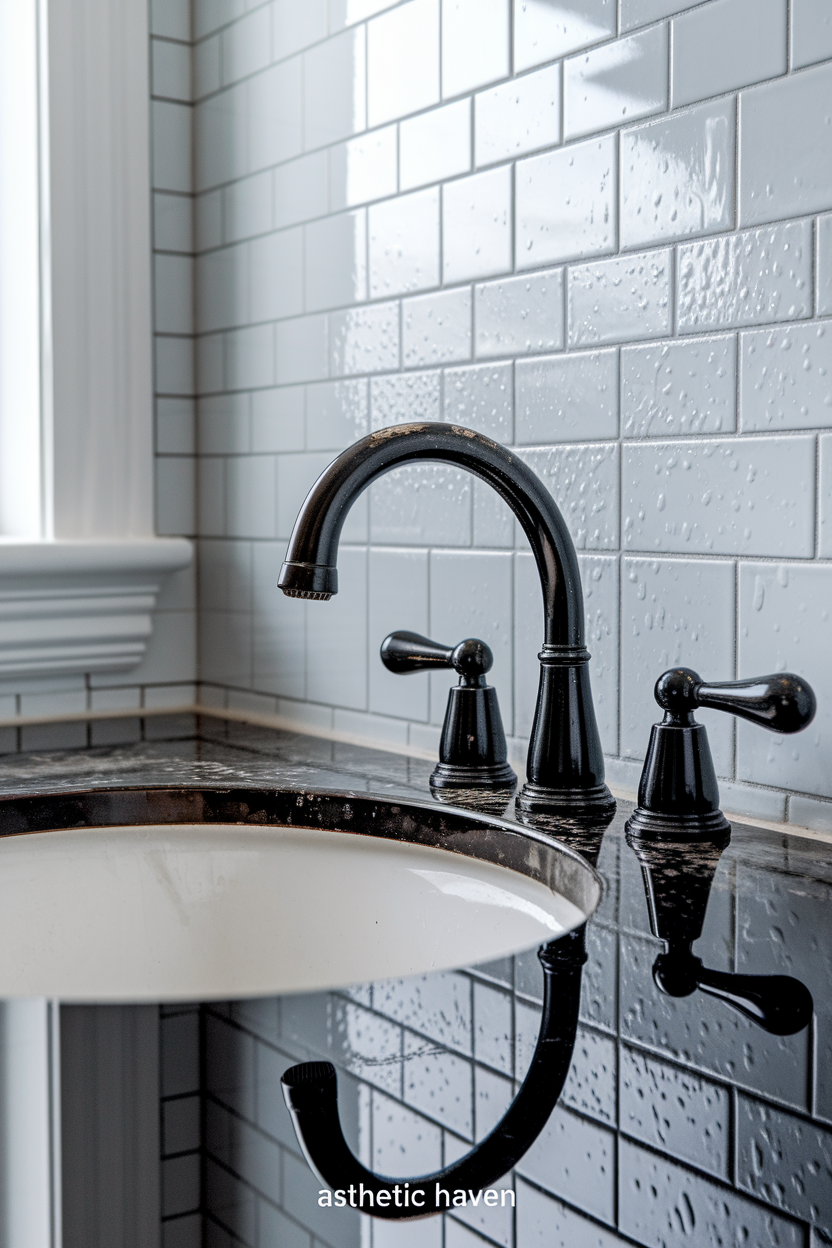
Penny mosaic floors look detailed and create a mile of grout. Glossy black fixtures show every water spot in hard-water areas. Larger floor tile (12×24 in) in a small bath is $3–$10/sq ft and cuts grout lines by more than half versus 2-in mosaic. High-performance grout or a grout sealer kit is $15–$40. Time: choose this before the tiler orders materials, not after.
DIY sealing. Hire the tiler to use a stain-resistant grout in showers. Common mistake: white sanded grout in a daily-use shower with iron-rich water. Spec: 1/8 in joints on rectified tile; ask for a sample board of grout on your actual tile, dried, under bathroom light.
14–15. Skipping Samples and Chasing Every Trend
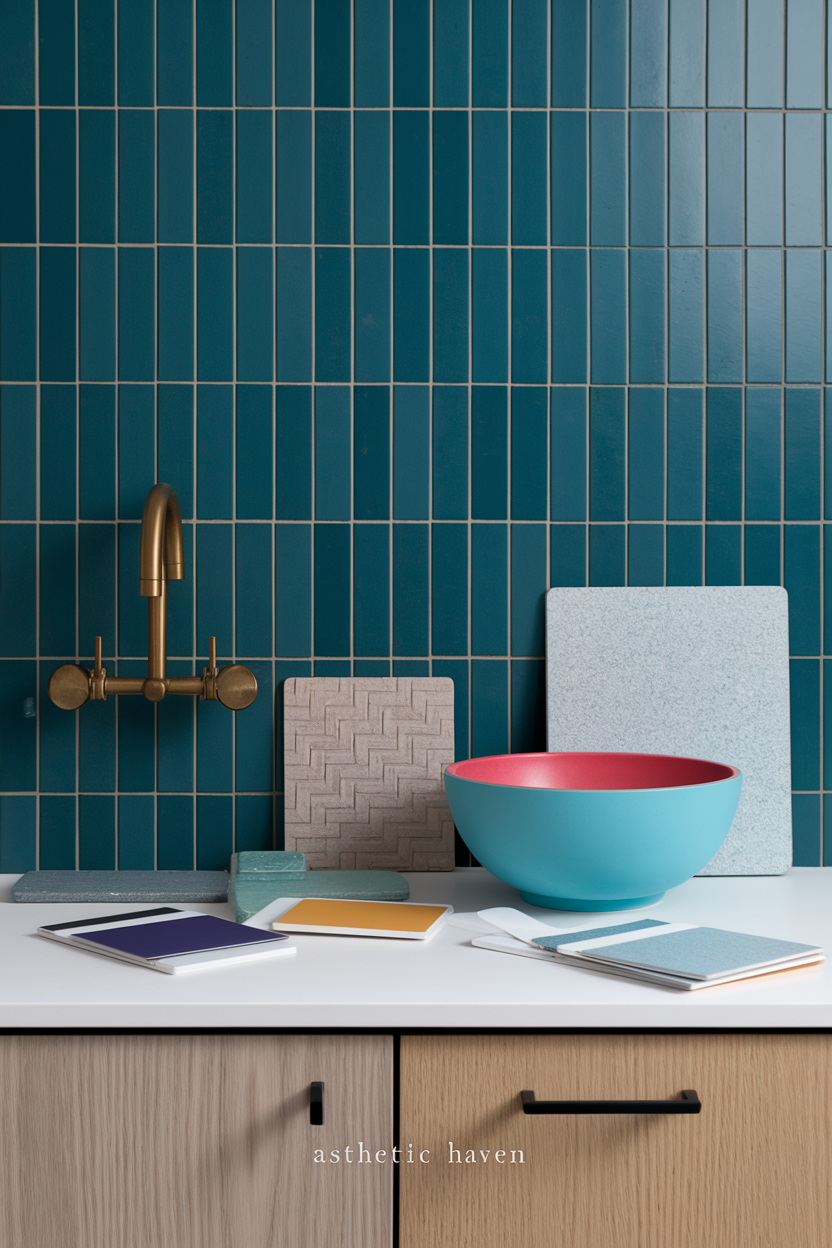
These two mistakes usually arrive together: you order 80 sq ft of a viral tile from a phone photo, then the 3000K vanity light makes it green. Samples are $0–$40 in store chips, plus a $50–$150 sample tile order. Returning a full pallet after install is not a return — it is a second bathroom. Time: live with samples on the wall for 48 hours, morning and night.
DIY sampling. Hire nobody. Put trends on towels, a mirror, and paint; keep tub, tile field, and vanity shape quieter unless you truly want to recore the room in five years. Common mistake: matching a social-media filter instead of the room’s north-facing window. Spec: photograph samples at 8 a.m. and 8 p.m. with the intended bulbs installed, not showroom spots.
16–17. Cutting Corners and Forgetting Final Details
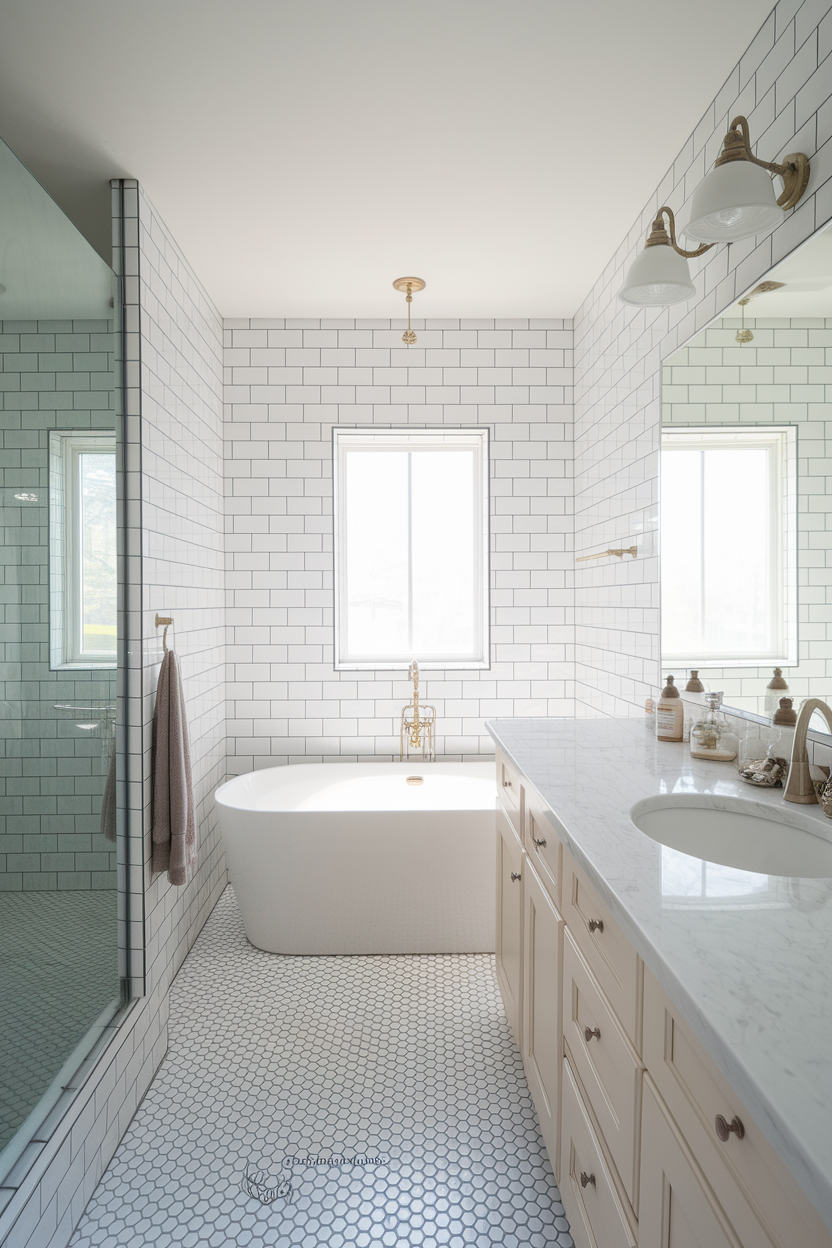
The cheapest bid often skips waterproofing, permits, and a punch list. A competent bathroom contractor in many U.S. markets bills $50–$120/hour or a package; a leak from unlicensed work can exceed the “savings” in one insurance claim. Final accessories — a toilet-paper holder at the right height, caulk that matches, a door stop, matching metal finishes — are $40–$150 and are what make a job look finished. Time: one punch-list walk with the water on, every drawer open, fan running.
DIY paint touch-ups and hardware. Hire licensed trades for wet work and electrics; check license, insurance, and two recent bathrooms, not a kitchen. Common mistake: paying 100% up front, or skipping silicone at the tub/tile joint. Spec: hold 10% retainage until the punch list is done; toilet paper holder 26 in off the floor and 8–12 in in front of the bowl; caulk the change-of-plane joints, grout the tile-to-tile joints.
If you only do three things
- Keep the toilet and main shower drain where they are unless a plumber has priced the move in writing.
- Waterproof the shower as a system and flood-test it before tile — that is the insurance policy for everything you see.
- Light the face from the sides (or a wide vanity bar), vent outdoors, and leave 30 in of walkway; finishes can follow.



Leave a Reply